
Start after a death
Your First Meeting With a Funeral Director: What to Bring and Ask

Founder of Fort Legacy
Published: 2026-10-11
United States guidance
Document and authorization requirements vary by state and circumstance. Ask the funeral home for its checklist before the meeting. This preparation list is not proof of a person's authority to arrange a funeral.
Bring any known funeral wishes or plan, the information the funeral home has asked for, a budget and a short question list. Ask in advance who needs to attend or authorize arrangements. You can take notes, ask for explanations and leave with a written record of the services, costs and decisions still outstanding.
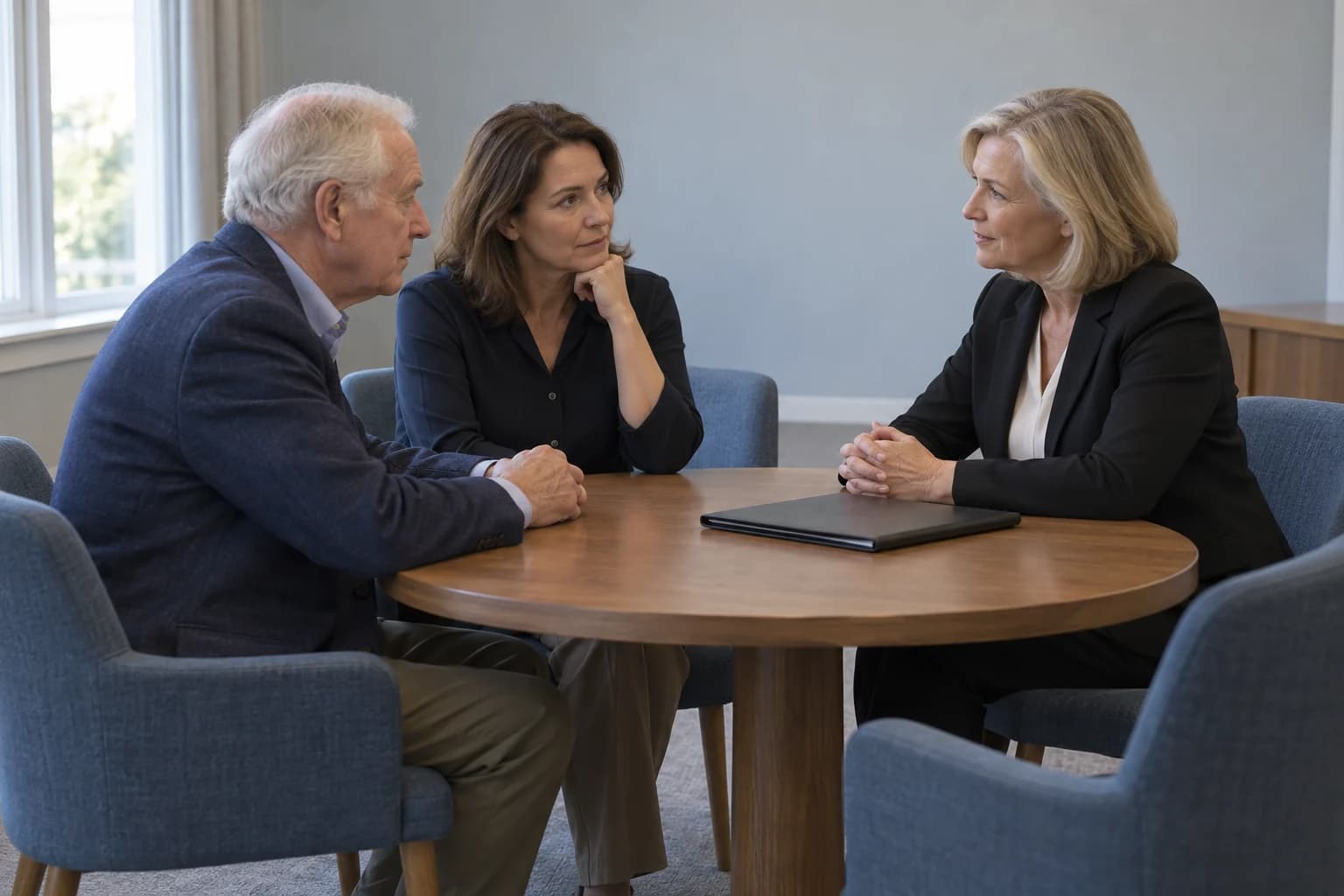
Before the meeting, request a checklist
Call the funeral home and ask how long to allow, whether you can meet remotely and which details it needs. Explain if you do not yet have a document or if relatives are traveling. Ask which items can follow later so you do not delay an initial conversation unnecessarily.
Check who must authorize the proposed arrangements and how the provider establishes that person's role. Being the relative who makes the phone call, paying a bill and having authority to direct the arrangements are not automatically the same thing. Tell the director about conflicting instructions, a disputed role or a known appointed decision-maker.
Choose one person to take notes if possible. Tell them beforehand which questions matter most. A second pair of ears can help you remember an explanation without having to make every decision in the room.
Gather what you know, without guessing
Have the person's full legal name and the basic personal details requested by the provider available. It may ask for information needed for death registration or other forms. Confirm the exact list and secure submission method with the funeral home; do not email a bundle of identity documents simply because it might be useful.
Bring any known written wishes, prepaid plan information or cemetery arrangements. If you have relevant military-service or insurance records, ask whether they are needed for the arrangements being discussed. Having a document does not mean a benefit or payment is confirmed.
Keep a separate list of unknown details and who may be able to check them. Do not guess dates or spellings to complete a form quickly. Ask to review the details before submission and how corrections would be handled.
Describe the wishes and practical needs
Start with what you already know: burial or cremation preferences, a religious or secular ceremony, people to involve, music, clothing or a particular place. Distinguish recorded wishes from ideas the family is still discussing. If wishes conflict, ask what can wait while the people with authority resolve the disagreement.
Explain practical constraints early. These might include mobility or language needs, venue size, travel time or a wish not to have a public viewing. Ask how the provider could accommodate them and what each choice would change.
A photograph or a short note about the person can help with an obituary or service, but keep sensitive family information separate from material approved for publication. Ask to see the final wording before it goes online or into print.
State a budget and ask for a written breakdown
You can say, 'Our budget for the whole arrangement is about this amount, including charges paid to other organizations.' Ask the director to explain what can be provided within it and which costs remain uncertain. State whether the budget includes a later reception, travel or a cemetery charge so everyone is discussing the same total.
For a US funeral home, ask for the General Price List and an itemized statement for the selections you make. Separate what you want, what another venue requires and what the director recommends. If you do not understand an item, ask for a plain-language explanation before agreeing to it.
Write down deposits, payment dates and who is signing the contract. If a family member is paying initially, agree privately how the family will keep that record. Do not assume a later estate payment is guaranteed.
Clarify paperwork and death-certificate copies
Ask what the funeral home will submit, what the family must provide and who will follow up if a record is delayed. For certified US death-certificate copies, the vital records office in the state where the death occurred is the official place to check ordering, eligibility, fees and timing.
Ask whether the funeral home can help order copies and what that costs. Do not buy an arbitrary large number because every organization is assumed to need an original. Check each organization's requirements and whether it will return a certified copy. Some account tasks may accept a photocopy or other evidence.
Keep documents private. A death certificate or registration detail does not belong on a public obituary page. Later requests about digital accounts may also require evidence of authority; those are separate from the funeral paperwork.
Questions to take with you
- Who will be our main contact, and how do we reach someone if plans change?
- Which decisions are needed today, and what is the reason for each deadline?
- Who carries out the transfer, care, burial or cremation, and where?
- What is included in the total, which charges are estimates and what is excluded?
- Who must sign the authorizations, and what does each signature approve?
- Can we review the obituary, service details and any livestream settings before publication?
- What paperwork and confirmations will you send us, and when should we follow up?
Leave with agreed next steps
Before finishing, read back the important decisions: the services chosen, any provisional date, the total or estimate, payment terms and the next action for each person. Ask for copies of signed documents and the written arrangements. Have the director identify anything still awaiting permission, information or confirmation.
If you need to discuss an optional choice with family, record it as undecided. Confirm what has already been authorized so silence is not mistaken for an instruction. Set a follow-up time for the remaining questions.
Afterwards, share a brief practical summary with the relatives who need it. Keep private paperwork out of broad family chats. If the meeting left you uncertain about the provider, use the same needs and questions to speak with another one before authorizing more work.